

The Agricultural History of the Korean Peninsula and East Asia

- Description
- Curriculum
- Notice
Course Introduction
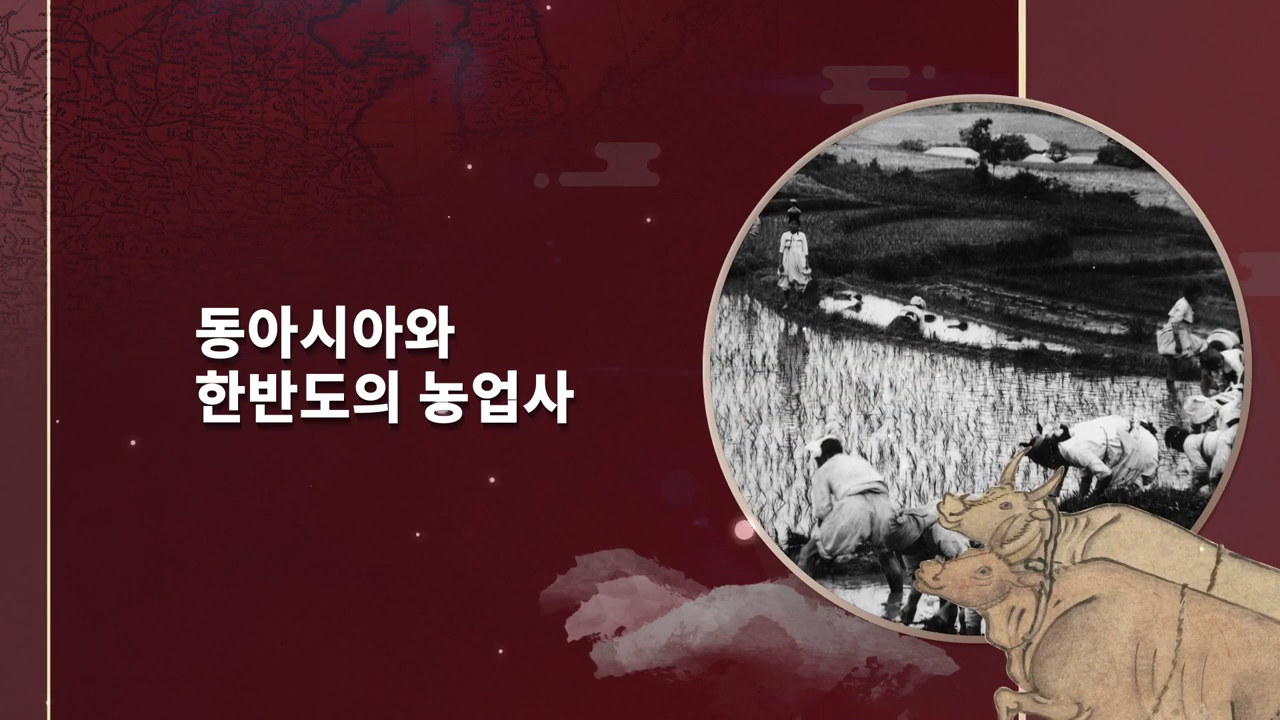
This course aims to understand the unique characteristics of the agricultural history of East Asia, including the Korean Peninsula, and the process of its formation and development. The course also examines the impact of agricultural history in East Asia on society and the state. Departing from the existing research trend of understanding agricultural history from the perspective of one country, this course introduces a wider East Asian perspective. Throughout the course, students will be able to understand how the East Asian region of China, Korea, Japan, and Vietnam have formed a single cultural sphere through agriculture. Additionally, this course aims to provide an opportunity to reflect on and critique the Eurocentric perspectives prevalent in the humanities, including Korean studies. In doing so, this lecture will provide an opportunity to move away from the tendency to understand the changes in East Asian societies, including Korea, since the modern era, as being influenced by Western civilization.
Course Structure
This course consists of 10 weeks, and each week’s lecture consists of three to eight videos according to the theme of the lecture each week. After completing the video lessons each week, quizzes are provided to help learners organize and review the course. In the last week (Week 10), discussion topics and quizzes will be presented. Students will be recognized as having completed the course requirements each week upon watching the lecture videos and finishing all learning activities such as quizzes and discussions.
Subtitles
Korean, English, Chinese
-
7
 2-1. Causes of Misconceptions about Agriculture and Agricultural History
 -
8
2-2. Issue of Natural Conditions
-
9
2-3. Climate and Agriculture
-
10
2-4. Difference between Manufacturing and Agriculture
-
11
2-5. Difference between Agriculture in European and Agriculture in East Asia
-
12
2-6. Issue of Field Farming and Paddy Farming
-
13
3-1. The Beginning of Agriculture in China
-
14
3-2. The Development Process of Agriculture in North China
-
15
3-3. Why Didn’t Agriculture in North China Decline?
-
16
3-4. Qimin Yaoshu, the Classic East Asian Agricultural Book
-
17
3-5. Issue of Fallow Farming and Continuous Cropping
-
18
3-6. Agriculture in Southern China before the Tang Dynasty
-
19
4-1. On the Development of Deltas
-
20
4-2. Full-scale Development of Southern China
-
21
4-3. Rice Paddy Farming in Southern China during the Song Dynasty
-
22
4-4. Development of the Yangtze River Delta and Intensive Rice Farming during the Ming Dynasty
-
23
4-5. Commercialization of Agriculture during the Qing Dynasty
-
24
4-6. Growth of Smallholders
-
25
4-7. “Sangu Gyeongje” and overdevelopment?
-
26
4-8. Why Didn’t the Agricultural Revolution Take Place in China?
-
27
5-1. Current Status and Problems in Research on the Agricultural History of the Korean Peninsula
-
28
5-2. On Nongsa jikseol, the Agricultural Book of Early Joseon
-
29
5-3. Rice Paddy Farming Technology in Nongsa jikseol
-
30
5-4. Paddy Farming Techniques in Nongsa jikseol
-
31
5-5. Technological Level of Nongsa jikseol
-
32
5-6. Nongsa jikseol and Agricultural Conditions at the Time
-
38
7-1. Agriculture in Ancient Japan
-
39
7-2. Dismantling of the Yulryeong State and the Separation of Political Power = “Medieval Period”
-
40
7-3. New Developments from the 14th to 16th Centuries
-
41
7-4. The Great Development Era in Japan from the 16th to 17th centuries
-
42
7-5. Establishment of Intensive Agriculture
-
43
7-6. Popularization of smallholder management
-
49
9-1. The Theory of the Society of Smallholders in East Asia
-
50
9-2. Disintegration of Privileged Land Ownership
-
51
9-3. The State's Establishment of Centralized Control over Land
-
52
9-4. Establishment of the Civil Service Examination System and the Bureaucratic Government
-
53
9-5. The Establishment of Neo-Confucianism and Its Status as a National Ideology
-
54
9-6. The Disintegration of the Class System
Hiroshi Miyajima
Hiroshi Miyajima was born in Osaka, Japan in 1948. He graduated from the Faculty of Letters, Kyoto University and earned an MA and a PhD in Oriental History from the same university. He has been a full-time lecturer at Tokai University, Assistant Professor at Tokyo Metropolitan University, Professor at the Institute of Oriental Culture, University of Tokyo, Professor at the East Asian Academy of Sciences, Sungkyunkwan University since 2002, and Professor Emeritus at University of Tokyo since 2010. His research focuses on economic history, social history, and intellectual history of Joseon Korea. He aims to facilitate communication between Korean and foreign academic circles by understanding the characteristics of Korean history from an East Asian perspective.